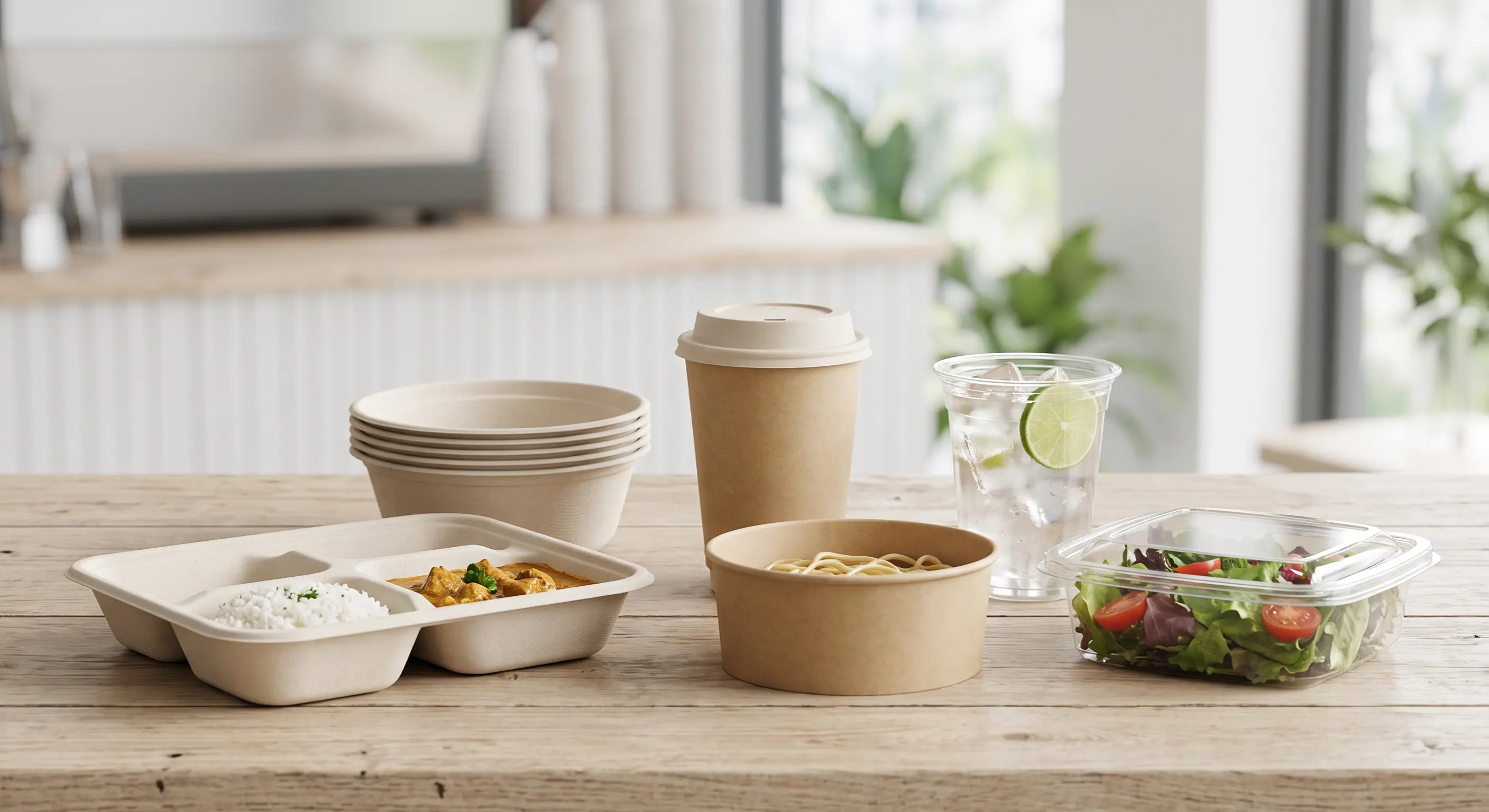
Sugarcane bagasse is rapidly emerging as the most viable alternative to single-use plastic. Here's why manufacturers, restaurants and consumers are making the switch.
The Problem with Plastic
Every year, India generates over 3.4 million tonnes of plastic waste. A significant portion of this comes from single-use food service items — plates, cups, containers and cutlery that are used for minutes but persist in the environment for centuries.
The global push to eliminate single-use plastics has created an urgent need for alternatives that are not just biodegradable on paper, but genuinely functional, affordable and scalable.
Enter Bagasse
Bagasse is the fibrous residue left after sugarcane stalks are crushed to extract juice. Historically treated as agricultural waste, bagasse is now recognised as one of the most promising raw materials for sustainable packaging.
India produces over 350 million tonnes of sugarcane annually — making it the world's second-largest producer. This means the raw material for bagasse tableware is abundant, locally sourced and would otherwise go to waste.
"Bagasse tableware isn't just eco-friendly — it's a genuine upgrade in performance, durability and food safety compared to conventional plastic alternatives."
— Naturomate R&D Team
Why Bagasse Outperforms Other Alternatives
Compared to other eco-friendly materials like bamboo, palm leaf or recycled paper, bagasse offers a compelling combination of properties:
- Microwave safe up to 120°C — unlike most paper alternatives
- Freezer safe — can be stored at sub-zero temperatures without cracking
- Oil and water resistant — no need for plastic coatings
- Compostable within 90 days in industrial composting conditions
- Sturdy and rigid — handles heavy curries, gravies and wet foods without going soggy
The Business Case
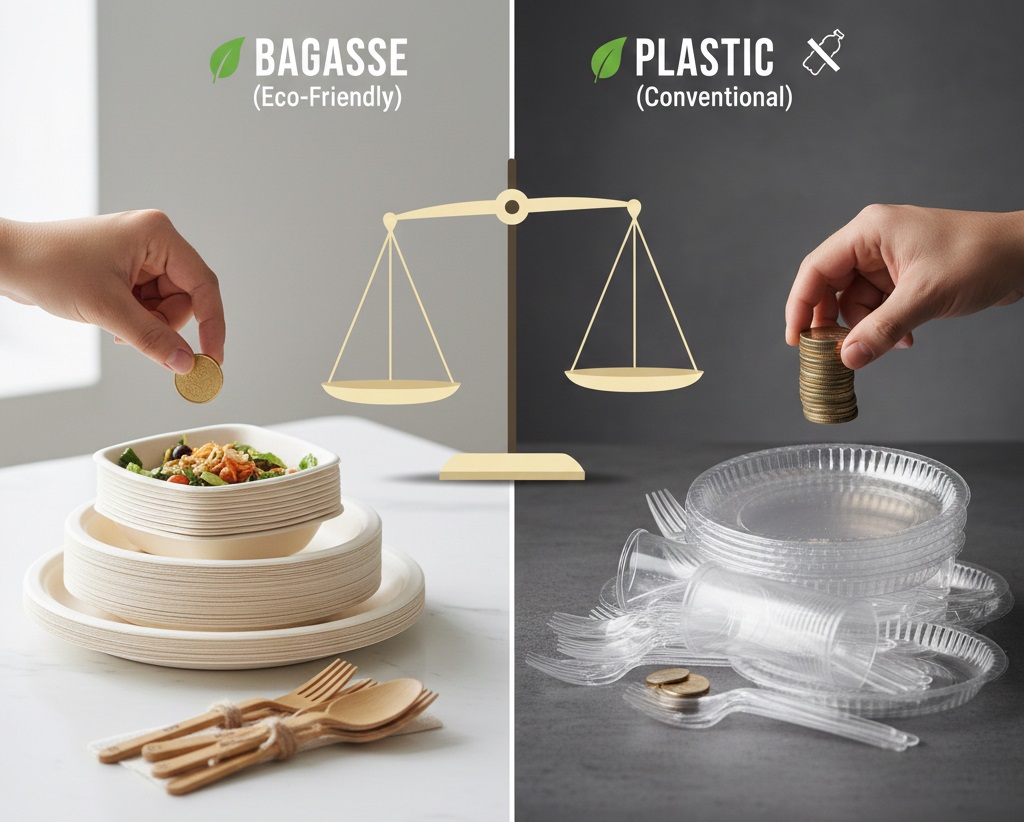
For food service businesses, the transition to bagasse is increasingly driven by economics as much as ethics. As plastic bans tighten and consumer preference shifts toward sustainable brands, businesses that adopt eco-friendly packaging early gain a meaningful competitive advantage.

At scale, bagasse tableware is cost-competitive with premium plastic alternatives — and the reputational benefits are significant. Brands that visibly commit to sustainability see higher customer loyalty and stronger word-of-mouth.
The Road Ahead
With India's single-use plastic ban now in full effect and global sustainability standards tightening, bagasse is positioned to become the default material for food service packaging within the next decade. The infrastructure, the raw material supply and the consumer demand are all aligned.
At Naturomate, we've been manufacturing premium bagasse tableware since our founding — and we're committed to making the transition as easy and affordable as possible for businesses of every size.