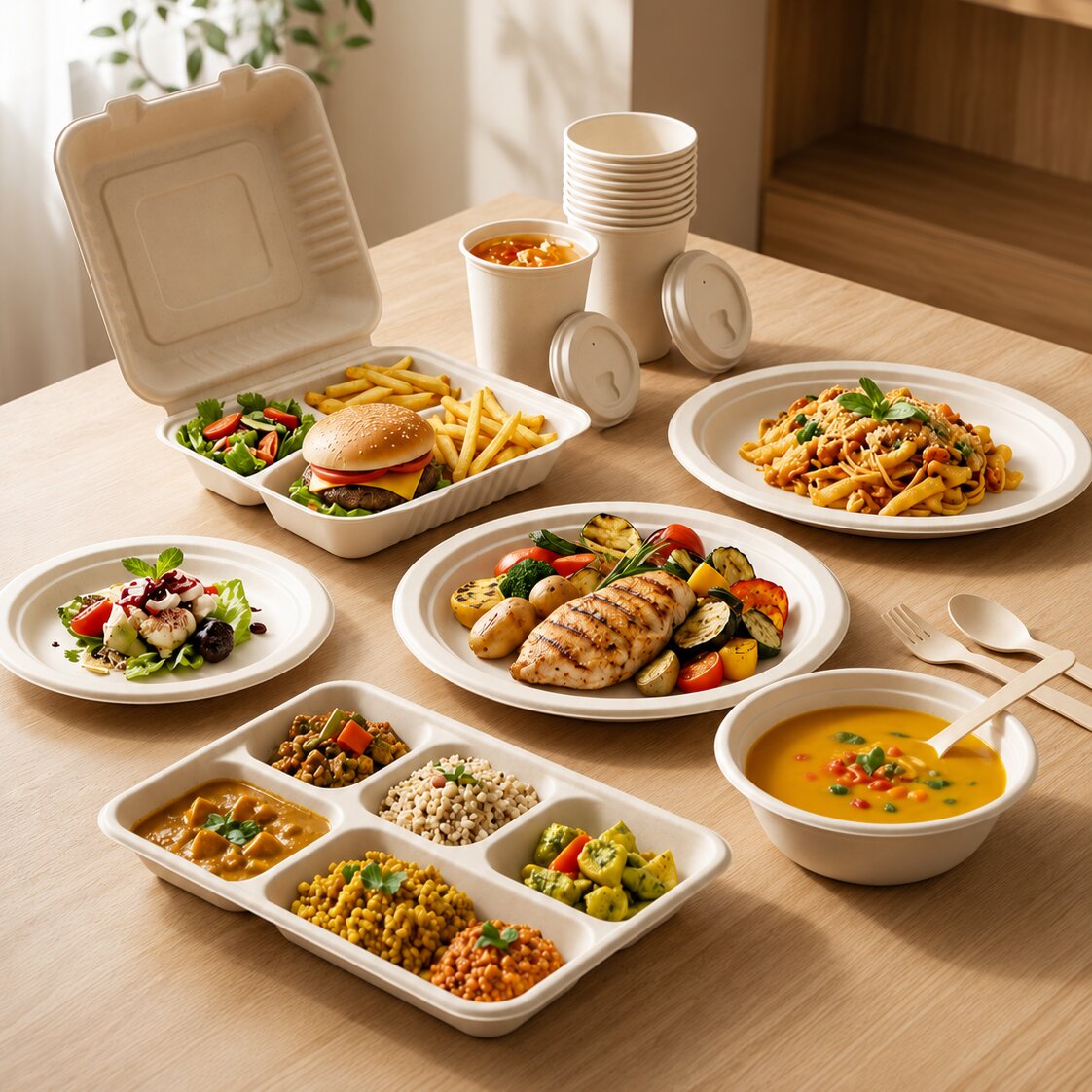
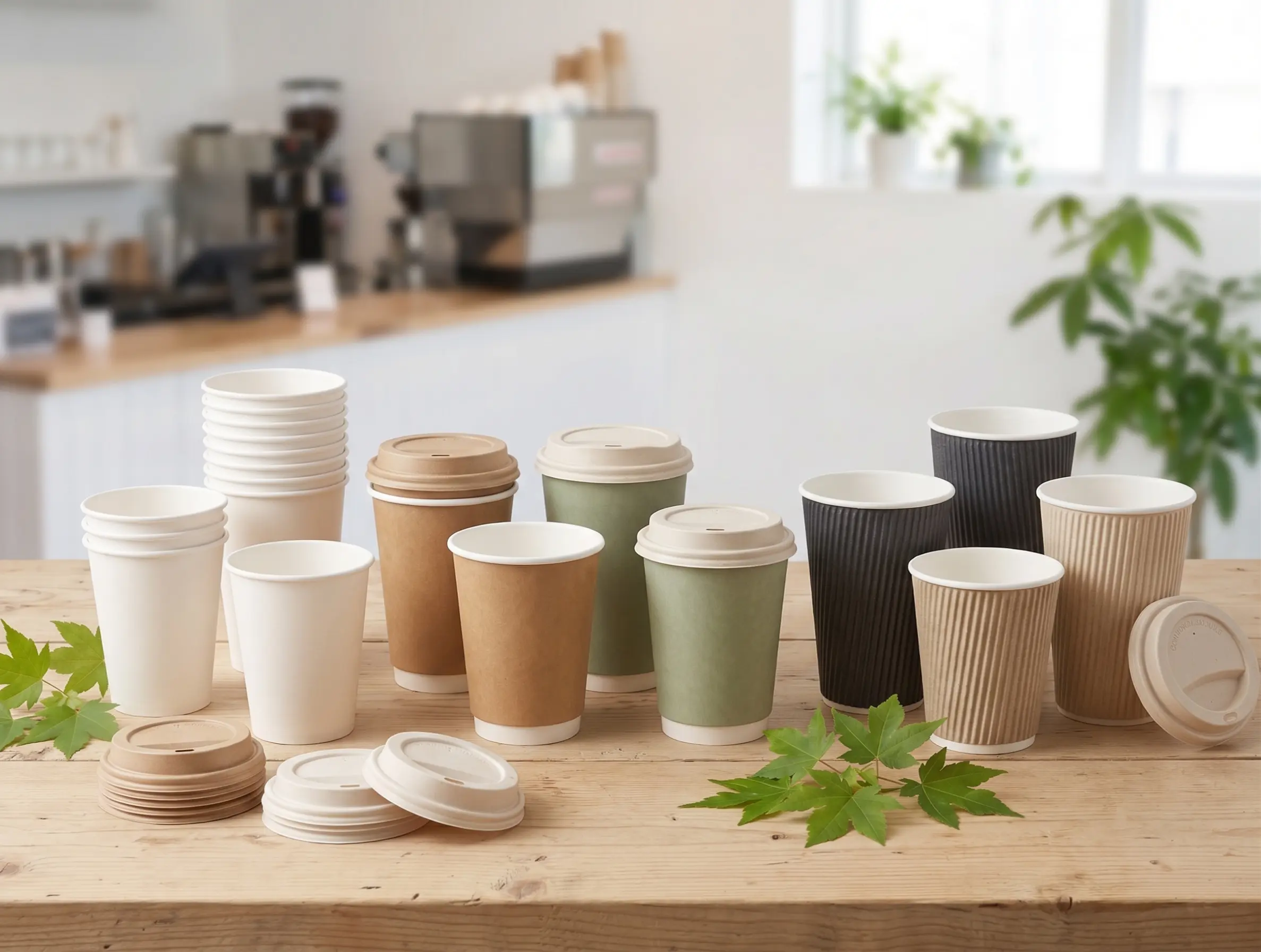
Many businesses assume eco-friendly means expensive. We break down the true cost of bagasse versus plastic tableware — including hidden environmental costs.
The Price Perception Problem
The most common objection we hear from businesses considering a switch to bagasse tableware is cost. When you compare only the unit price of a bagasse plate versus a plastic plate, there is sometimes a small premium. But when you factor in the full picture — regulatory risk, brand value, waste disposal costs and consumer preference — the economics shift dramatically.
Direct Cost Comparison
At Naturomate's standard MOQ of 500 units, our bagasse plates are priced competitively with mid-range plastic alternatives. At higher volumes (5,000+ units), the price difference narrows to near parity.
Hidden Costs of Plastic
- Regulatory fines — India's plastic ban carries penalties of up to ₹1 lakh
- Waste disposal — plastic waste incurs higher disposal fees
- Brand damage — single-use plastic negatively impacts brand perception
The Verdict
For most food service businesses operating at scale, the true cost of bagasse tableware is equal to or lower than plastic when all factors are considered.