India's ban on single-use plastics is reshaping the food service industry. Here's a practical guide for restaurants, caterers and retailers on staying compliant.
What the Ban Covers
India's Plastic Waste Management Amendment Rules prohibit the manufacture, sale and use of identified single-use plastic items including plastic plates, cups, cutlery, straws, trays and stirrers.
Who Is Affected
The ban applies to all businesses in the food service chain — restaurants, hotels, cloud kitchens, caterers, food courts, street vendors, event managers and retailers. There are no exemptions for small businesses.
Penalties for Non-Compliance
Penalties under the Environment Protection Act can reach ₹1 lakh per violation, with repeat offenders facing criminal prosecution.
How to Transition
- Audit your current packaging — identify which items fall under the ban
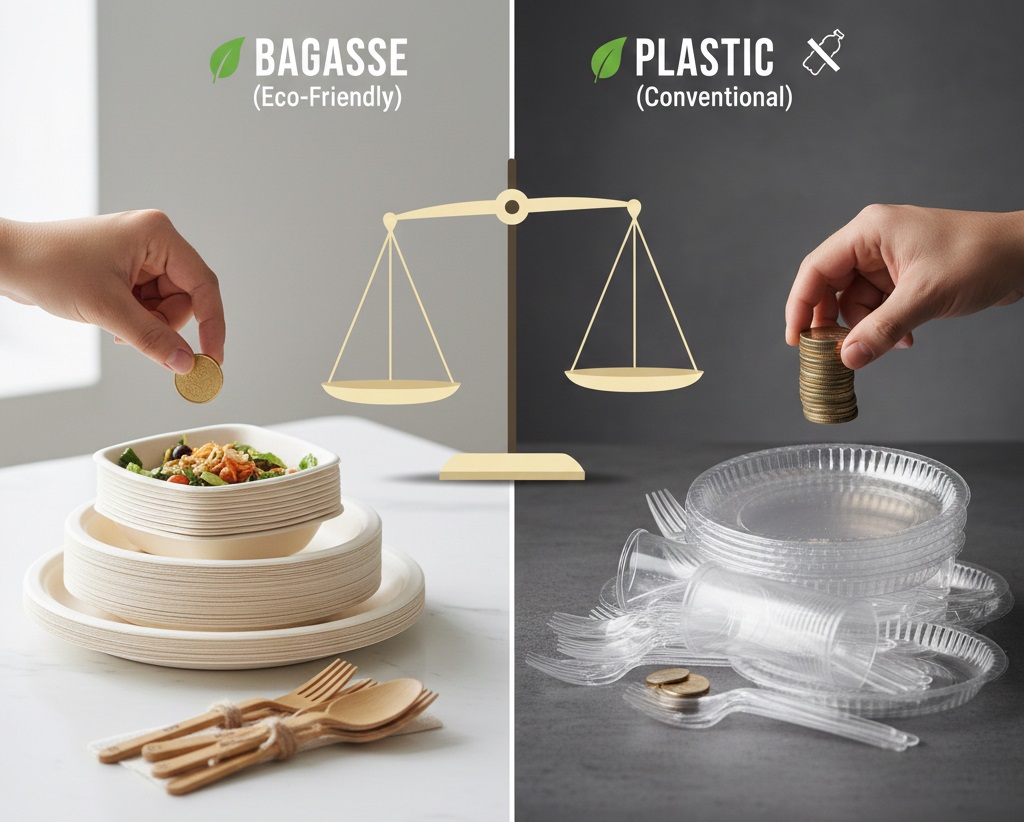
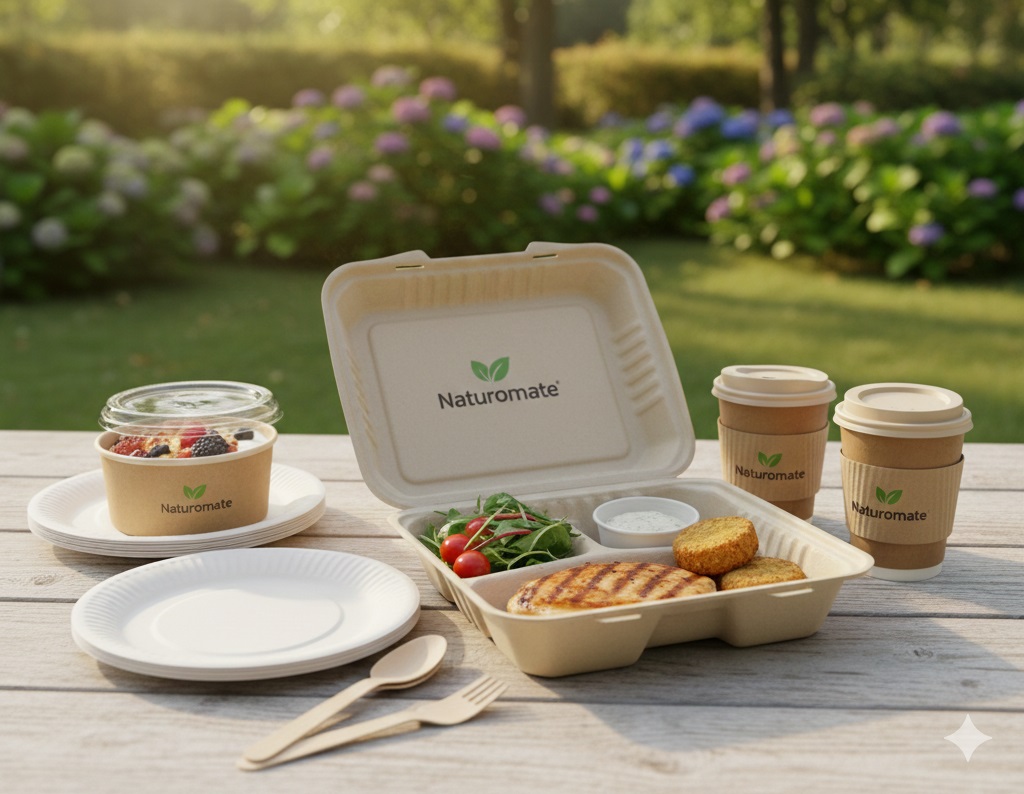
- Source certified alternatives — bagasse, bamboo and paper-based products
- Plan your inventory transition — phase out banned items before stock runs out
- Train your staff — ensure everyone understands the new requirements