Serving iced drinks in single-wall hot cups causes condensation, soggy rims, and structural collapse. Learn why double-coated cold cups protect customer experience.
With cold brew, iced matcha, fruit coolers, and iced lattes making up more than 60% of daily orders in specialty cafes, cold beverage presentation has never been more critical.
Yet, many cafes and quick-service counters make a frequent operational mistake: using their standard single-wall hot coffee cups for iced drinks to cut SKU counts.
While it might seem convenient to stock one universal cup for both hot and cold items, serving iced drinks in standard hot cups triggers rapid structural failure, messy handling, and customer complaints. Here is the science behind why it happens and how to specify the right cups for chilled drinks.
1. The Physics of "Cup Sweating": Where Single-Wall Cups Fail
A paper cup designed for hot coffee features a barrier coating (polyethylene, PLA, or an aqueous dispersion) only on the inside surface.
This single internal coating is engineered for one task: preventing hot coffee or tea from seeping outward into the paperboard fibers.
When you pour an iced beverage into a single-coated hot cup, the physics reverse:
- The Condensation Trap: The ice drops the cup surface temperature below the ambient room’s dew point. Moisture from the humid surrounding air condenses directly on the outside of the cup.
- The Sponge Effect: Because the outer wall has no protective moisture barrier, the raw paperboard absorbs this external condensation like a sponge.
- Structural Weakening: Within 5 to 10 minutes, the absorbed moisture softens the cellulose fibers, causing the cup sidewalls to buckle under finger pressure.
- Bottom Rim Delamination: Moisture pools into the bottom knurled seam, causing water rings on customer car consoles, office desks, and takeout bags.
2. The Anatomy of a True Cold Paper Cup: Double-Side Coating
To withstand condensation without softening, commercial cold paper cups are manufactured using Double-Coated (Double-Poly / Double-PLA / Aqueous Barrier) paperboard.
- Inner Barrier: Retains liquids, syrups, and acids from fruit drinks, preventing internal seepage.
- Outer Barrier: Protects the exterior printed paperboard against airborne condensation droplets, ensuring the cup stays rigid, dry, and clean to hold.
- Reinforced Bottom Knurling: Cold cup forming machines use specialized tooling to seal the bottom rim tightly so accumulated ambient condensation cannot loosen the base seam.
3. Comparing Hot Cups vs. Cold Cups
| Feature | Standard Hot Paper Cup | Engineered Cold Paper Cup | Double-Wall Hot Cup |
| Coating Structure | Single-sided (Inside only) | Double-sided (Inside & Outside) | Single-sided inner cup + Insulated outer wrap |
| Condensation Protection | None (Paper gets soggy) | Complete (Moisture repelled) | Moderate (Delays sweat, but not moisture-sealed outside) |
| Best Used For | Hot coffee, chai, hot cocoa | Iced tea, iced lattes, smoothies, sodas | Americanos, pour-overs, boiling tea |
| Exterior Grip Feel | Warm / Requires a sleeve | Dry, firm, no external softening | Cool / Comfortable without sleeve |
| Delivery Bag Integrity | High risk of collapsing | Remains rigid over long transit | Stays rigid for hot deliveries |
4. The Business Impact on Cafe Brand Perception
Using the wrong cup directly damages customer satisfaction and brand loyalty:
- Slippery & Messy Handling: Customers grabbing a sweating, weakened cup risk crushing the sidewalls, resulting in lid pop-offs and lap spills.
- Damaged Takeout Bags: In third-party delivery, cold condensation softens standard paperboard inside enclosed bags, wetting brown delivery sacks and causing bottom tears before arriving at the doorstep.
- Ruined Print Aesthetics: External condensation blurs ink prints and degrades matte finishes, dulling custom logo work and cafe branding.
5. How to Structure Your Beverage Packaging Inventory
To maintain food-safety standards and eliminate wet-cup failures, split your drinkware procurement into two clear categories:
- For Hot Programs: Use Double-Wall or Ripple-Wall paper cups (8 oz, 12 oz, 16 oz) with single-side water-based or PLA linings to insulate hands from heat without requiring separate sleeves.
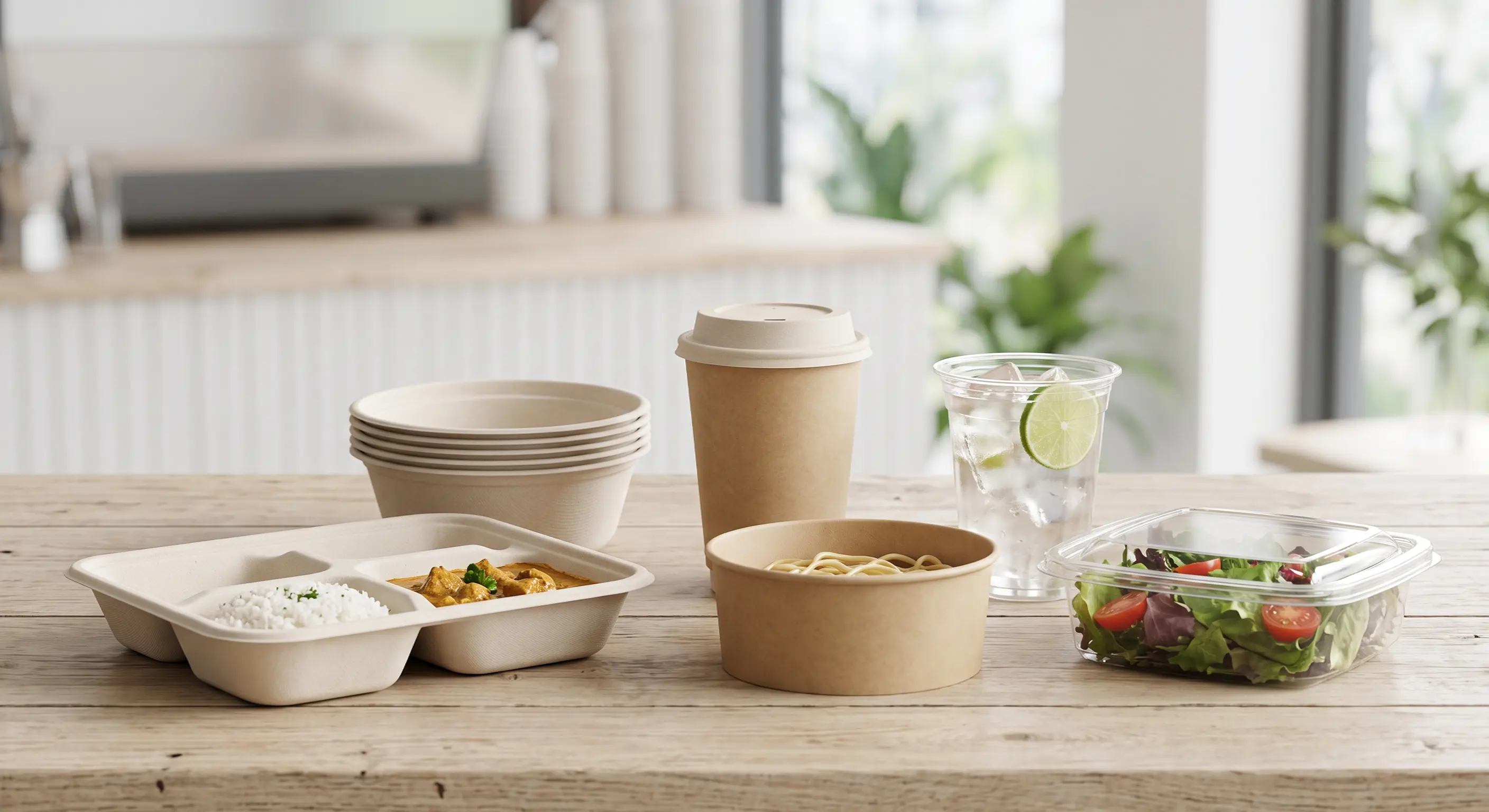
- For Cold Programs: Standardize on Double-Coated paper cold cups (or clear bio-based PLA cups if cold beverage color layering is central to your visual identity).
Aligning cup engineering with beverage temperature prevents structural collapse, keeps takeout bags dry, and ensures your customer's last sip is as comfortable as their first.