Comparing Bagasse, PLA, and Paper packaging: analyze temperature limits, grease resistance, compostability, and costs to pick the right option for your food brand.
Single-use plastic regulations are tightening globally, leaving food service businesses, ghost kitchens, and hospitality brands searching for dependable, plant-based alternatives.
However, "eco-friendly" is not a one-size-fits-all category. The three most common sustainable packaging substrates—Sugarcane Bagasse, PLA (Polylactic Acid), and Paperboard—each possess distinct mechanical properties, thermal thresholds, barrier requirements, and end-of-life processing methods.
Selecting the wrong material can result in soggy takeout boxes, melted lids, or unexpected compost facility rejections. Here is an objective operational comparison to help you match the right packaging substrate with your food menu.
1. Sugarcane Bagasse: The Heavy-Duty Thermal Workhorse
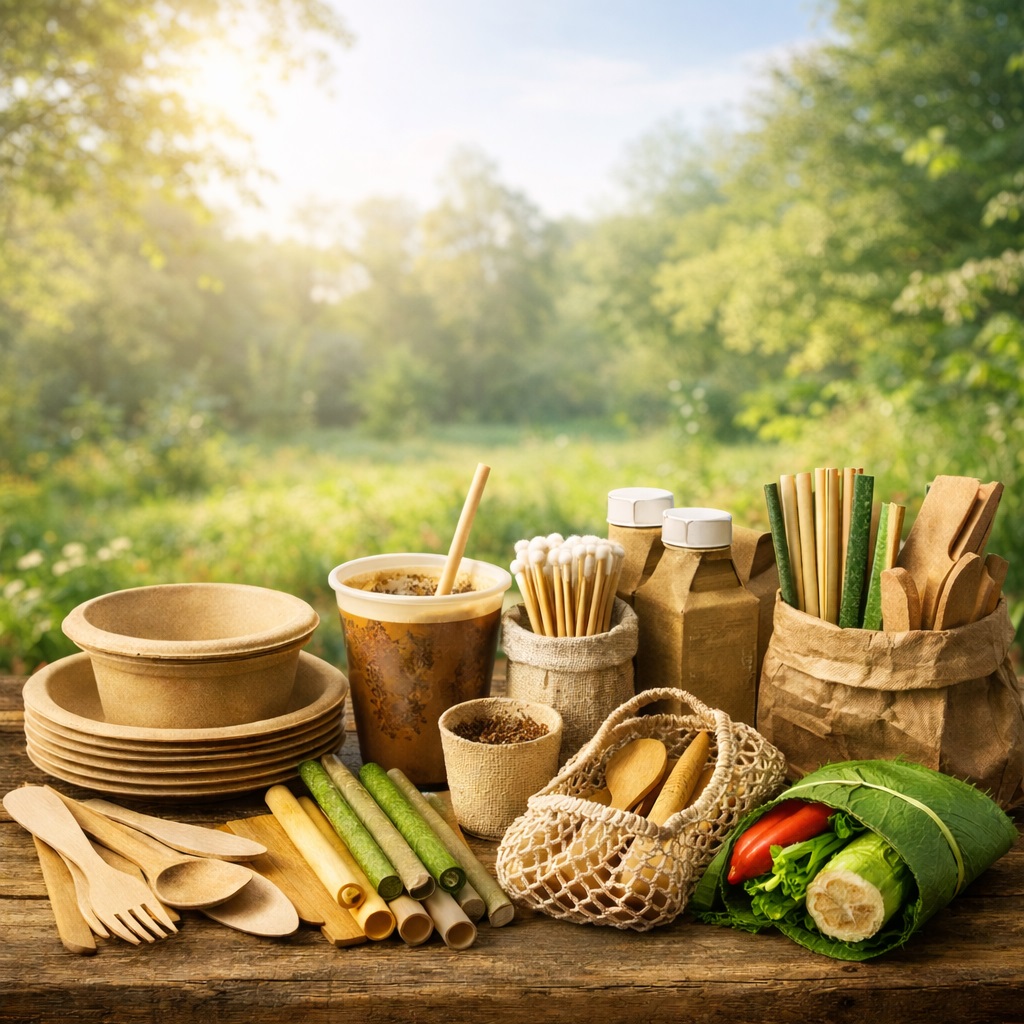
What it is: A fiber pulp derived from the crushed fibrous stalks left behind after raw sugarcane extraction. The fibers are wet-molded and heat-pressed into rigid clamshells, plates, trays, and bowls.
- Best For: Hot curries, oily dishes, gravies, burgers, meal prep trays, and fried foods.
- Thermal Performance: Handles temperatures from -20°C up to 120°C. It is fully microwaveable, oven-safe (up to specified limits), and freezer-safe.
- Grease & Liquid Barrier: Naturally dense fiber structure provides high oil and water resistance without requiring heavy plastic lamination.
- Disposal & Composting: Certified 100% biodegradable and industrially compostable within 60 to 90 days. It also breaks down well in home composting environments.
- Limitation: Opaque by nature; unsuitable when clear product visibility is required.
2. PLA (Polylactic Acid): The Clear Bioplastic Alternative
What it is: A thermoplastic biopolymer synthesized from fermented plant sugars (typically cornstarch, cassava, or sugarcane). It mimics the clarity and feel of conventional clear plastics like PET.
- Best For: Chilled beverages, cold-pressed juices, iced coffees, salad bowls, and transparent deli containers.
- Thermal Performance: Low heat tolerance. Standard PLA softens and warps around 45°C to 50°C (113°F–122°F). (Note: CPLA, or Crystallized PLA, is modified to tolerate hot drinks up to 85°C and is frequently used for hot cup lids and cutlery).
- Grease & Liquid Barrier: Completely leak-proof and liquid-tight against oils, sauces, and acidic liquids.
- Disposal & Composting: Requires commercial composting facilities with controlled heat (55°C–60°C) and microbial conditions to break down; it will not decompose efficiently in backyard compost piles.
- Limitation: Cannot be mixed with traditional petroleum plastic recycling streams (PET/PP) because it contaminates the batch.
3. Paperboard: The Versatile, Printable Standard
What it is: High-density kraft or bleached virgin wood pulp paperboard, commonly used in cups, noodle boxes, burger wraps, and delivery bags.
- Best For: Hot/cold beverages, dry baked goods, sandwiches, wraps, and fast-food cartons.
- Thermal Performance: Highly durable for dry foods and hot drinks when paired with the proper barrier coating (handles up to 95°C–100°C).
- Grease & Liquid Barrier: Raw paperboard absorbs liquid instantly. It requires an interior coating—either traditional PE, bio-based PLA, or modern aqueous water-based dispersion barriers—to prevent leakage.
- Disposal & Composting: Standard unlined paper is widely recyclable. When lined with aqueous dispersion or PLA coatings, it is repulpable in standard paper recycling mills or commercially compostable.
- Limitation: Heavy wet gravies or steam inside closed paper containers can soften the fiber structure over long delivery routes if the GSM (paper thickness) is insufficient.
Material Comparison Matrix
| Operational Factor | Sugarcane Bagasse | PLA Bioplastic | Paperboard (Aqueous/PLA Lined) |
| Optimal Food Type | Hot, greasy, liquid-heavy meals | Cold salads, iced drinks, deli items | Coffee, dry takeout, wraps, bakery |
| Max Temperature | Up to 120°C (Microwave-safe) | ~45°C–50°C (CPLA up to 85°C) | Up to 100°C (Hot liquid safe) |
| Transparency | Completely opaque | Crystal clear | Opaque / Printable exterior |
| Compostability | Industrial & Home compostable | Commercial composting facilities | Recyclable or Commercially compostable |
| Primary Strength | Superior heat & grease resistance | High clarity presentation | Lightweight & brand print quality |
How to Build the Ideal Packaging Mix
Most thriving food brands do not rely on a single material across their entire menu. Instead, optimize by operational need:
- For Hot Deliveries & Dine-In Takeout: Standardize on Bagasse clamshells, plates, and bowls to maintain meal temperature, avoid sogginess, and provide a premium, organic texture.
- For Chilled Counter Displays & Iced Drinks: Use clear PLA cups and hinged deli boxes to maximize food visibility and impulse sales.
- For Hot Beverage Programs & Light Bites: Rely on double-wall or ripple-wall paper cups with aqueous plastic-free coatings for thermal insulation and vibrant brand graphics.
Balancing performance with sustainability certifications ensures your business meets single-use plastic restrictions while delivering leak-free satisfaction to your customers.