Learn the step-by-step manufacturing process followed by a bagasse tableware manufacturer to produce sustainable, biodegradable, and eco-friendly tableware.
As environmental awareness continues to reshape the food packaging industry, businesses are actively seeking sustainable alternatives to plastic and foam disposables. One of the fastest-growing solutions is bagasse tableware, a biodegradable and compostable product made from sugarcane fiber. Choosing a reliable bagasse tableware manufacturer ensures access to high-quality, eco-friendly products that meet global sustainability standards while supporting a greener future.
What Is Bagasse Tableware?
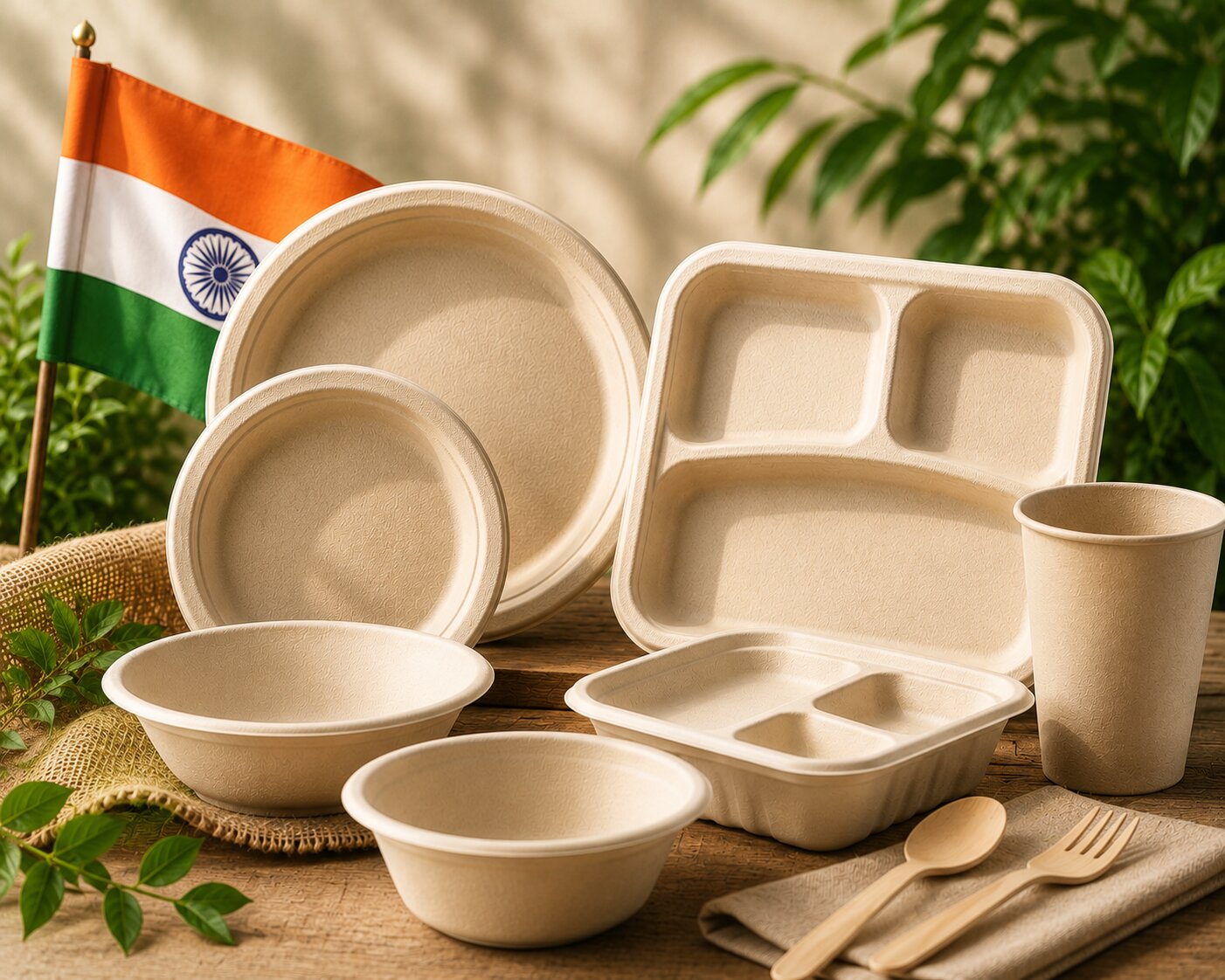
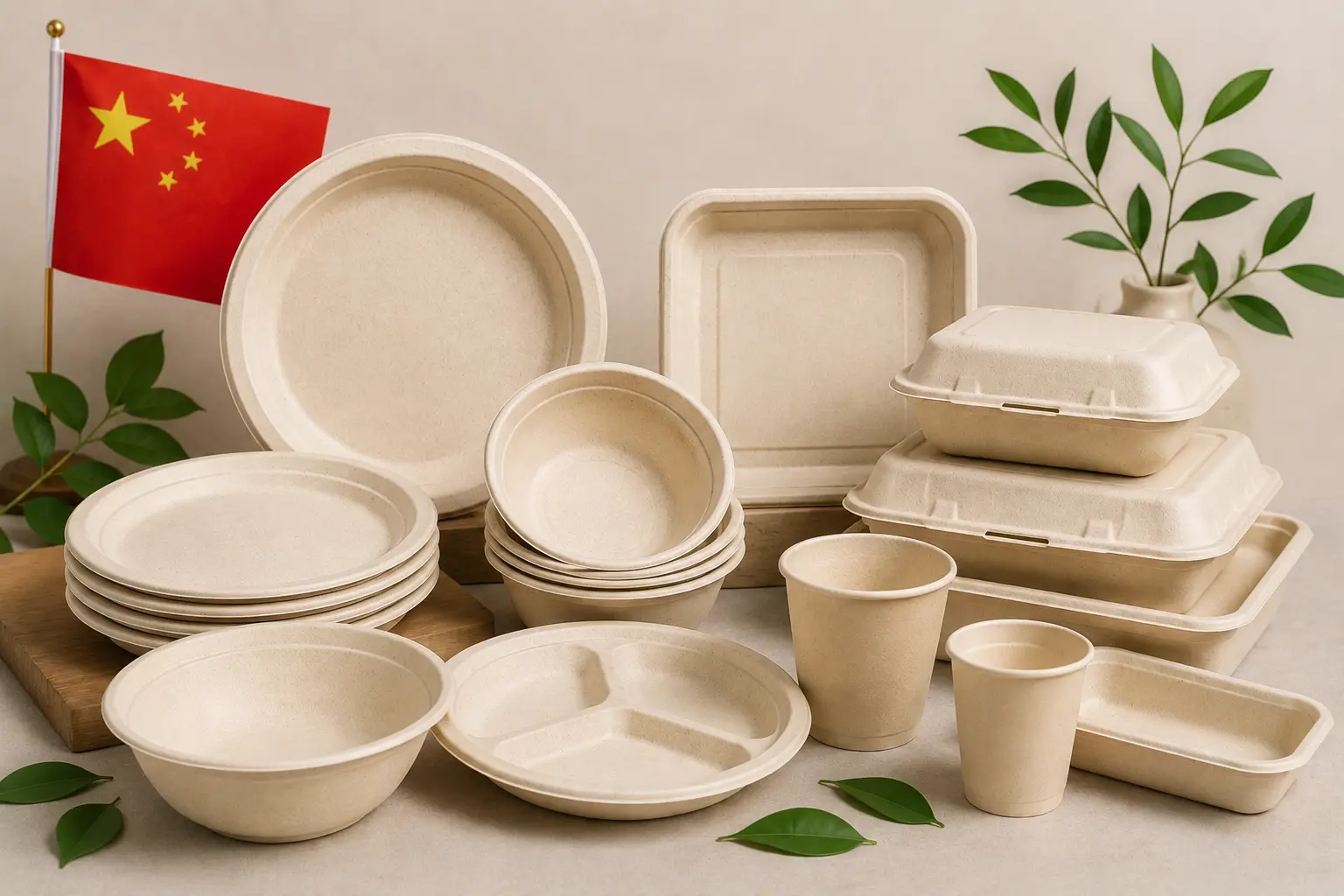
Bagasse is the fibrous residue left after extracting juice from sugarcane. Instead of being discarded or burned, this agricultural byproduct is transformed into durable disposable tableware through an advanced molding process. The result is a range of eco-friendly products including plates, bowls, trays, clamshell containers, cups, and food packaging solutions.
Unlike conventional plastic disposables, bagasse tableware naturally decomposes within a few months under composting conditions, making it an environmentally responsible choice.
How a Bagasse Tableware Manufacturer Produces Sustainable Products
A professional bagasse tableware manufacturer follows a carefully controlled manufacturing process to ensure consistent quality and environmental compliance.
1. Raw Material Collection
The manufacturing journey begins with collecting bagasse from sugar mills. This renewable agricultural residue serves as the primary raw material, reducing waste while creating valuable eco-friendly products.
2. Pulp Preparation
The bagasse fibers are thoroughly cleaned, refined, and mixed with water to create a uniform pulp. This process removes impurities while preserving the natural strength of the fibers.
3. Thermoforming and Molding
The prepared pulp is transferred into precision molds where high temperature and pressure shape it into disposable plates, bowls, trays, and food containers. This stage determines the product's durability, thickness, and finish.
4. Drying and Finishing
After molding, the products are dried using controlled heating systems. They are then trimmed, inspected, and prepared for packaging.
5. Quality Inspection
Every reputable bagasse tableware manufacturer conducts rigorous quality checks to ensure products meet food-grade safety standards, dimensional accuracy, leak resistance, and strength requirements.
6. Packaging and Distribution
The finished products are hygienically packed and shipped to distributors, wholesalers, restaurants, hotels, supermarkets, and food service businesses worldwide.
Why Businesses Choose a Professional Bagasse Tableware Manufacturer
Working with an experienced bagasse tableware manufacturer provides several long-term advantages.
Consistent Product Quality
Advanced production facilities ensure every product meets strict quality standards for strength, appearance, and food safety.
Large Production Capacity
Manufacturers with automated production lines can fulfill bulk domestic and export orders while maintaining consistent quality.
Product Customization
Many manufacturers offer customized sizes, designs, embossing, and private labeling to meet specific branding requirements.
International Certifications
Leading manufacturers comply with global food safety and environmental standards, helping businesses confidently serve international markets.
Sustainable Manufacturing Practices
Responsible manufacturers focus on energy-efficient production, responsible sourcing, and environmentally friendly packaging solutions.